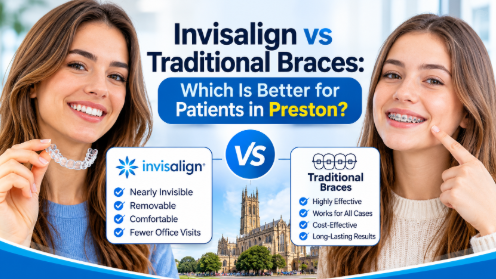
Choosing between Invisalign and traditional braces is an important decision for anyone considering orthodontic treatment. Both options can straighten teeth, correct bite problems, and improve oral health, but they work differently and suit different lifestyles. For patients exploring Invisalign Preston, understanding these differences can make it easier to decide which treatment deserves consideration.
The right choice depends on several factors, including the complexity of your dental concerns, your daily routine, personal preferences, and willingness to follow treatment instructions. While Invisalign offers flexibility and discretion, traditional braces provide consistent tooth movement without requiring patients to remember to wear removable appliances.
Rather than assuming one treatment is universally better, it is worth examining how each option performs in everyday situations and what patients should consider before starting their orthodontic journey.
Understanding Invisalign and Traditional Braces
Invisalign and traditional braces use different approaches to move teeth into healthier positions. Both rely on controlled pressure applied over time, but their designs and maintenance requirements are quite different.


How Invisalign works
Invisalign uses a series of custom-made, transparent plastic aligners designed to fit closely over your teeth. Each set applies gentle pressure to specific teeth, gradually moving them toward their planned positions.
Patients typically change aligners according to their orthodontist’s instructions, often every one to two weeks. Treatment plans are created using digital scans, allowing dental professionals to map the expected stages of tooth movement.
One major advantage is that aligners can be removed for eating, drinking anything other than water, brushing, and flossing. This makes them particularly appealing to adults and teenagers who prefer a less noticeable orthodontic option.
How traditional braces work
Traditional braces consist of small brackets attached to the teeth and connected by an orthodontic wire. The wire applies continuous pressure, while adjustments help guide teeth into their intended positions.
Unlike Invisalign, braces remain attached throughout treatment. Patients cannot remove them independently, meaning tooth movement continues without relying on daily wear-time discipline.
Traditional braces are suitable for many orthodontic conditions, including significant crowding, complex bite problems, and substantial tooth rotations.
See also: How to maximise your vapes battery life
Invisalign vs Traditional Braces: Key Differences
Understanding the practical differences between these treatments can help patients identify which approach fits their needs.
1. Appearance and Confidence
Invisalign is generally less noticeable because its clear aligners blend with natural tooth color. This can be particularly beneficial for professionals, university students, and people who regularly attend meetings or social events.
Traditional braces are more visible, although modern ceramic brackets offer a less noticeable alternative to conventional metal braces.
For example, someone who frequently gives presentations may feel more comfortable wearing clear aligners. However, someone who does not mind visible orthodontic appliances may find traditional braces perfectly acceptable.
2. Comfort During Treatment
Both treatments can cause temporary discomfort because moving teeth requires pressure on surrounding structures.
Invisalign may feel uncomfortable when switching to a new aligner. Patients sometimes experience mild pressure or tenderness during the first few days of each stage.
Traditional braces can cause irritation from brackets and wires, particularly after adjustments. The inside of the cheeks and lips may need time to adapt.
Orthodontic wax can help reduce irritation from braces, while aligner wearers should follow their dentist’s instructions if an appliance develops a sharp edge or causes persistent discomfort.
3. Eating and Drinking
Invisalign offers greater dietary flexibility because aligners are removed before meals. Patients can generally continue enjoying their usual foods without worrying about damaging brackets or wires.
Traditional braces require more dietary restrictions. Hard candies, popcorn kernels, sticky sweets, and very crunchy foods can damage orthodontic appliances.
For someone who enjoys eating apples, nuts, or crunchy snacks, Invisalign may offer a more convenient experience. However, aligners must be removed before eating and replaced afterward.
4. Oral Hygiene and Cleaning
Maintaining good oral hygiene is essential during orthodontic treatment.
Invisalign makes brushing and flossing easier because patients can remove their aligners before cleaning their teeth. Nevertheless, aligners themselves must also be cleaned regularly to prevent bacterial buildup and unpleasant odors.
Traditional braces require more attention because food particles can become trapped around brackets and wires. Specialized interdental brushes and careful brushing techniques can help maintain clean teeth and healthy gums.
Patients with a history of gum inflammation or poor oral hygiene should discuss their circumstances with an orthodontic professional before choosing either option.
5. Treatment Time and Effectiveness
Treatment duration varies according to the severity of the orthodontic problem, individual tooth movement, and patient compliance.
Some Invisalign cases may take approximately 6–18 months, while traditional braces commonly require around 18–24 months. However, these are broad estimates rather than guaranteed treatment timelines.
Complex cases may require longer treatment regardless of the method.
Traditional braces can be particularly effective for complicated tooth movements because they remain attached continuously. Invisalign can also address many challenging orthodontic problems, but suitability depends on the individual case and the clinician’s treatment plan.
How to Choose the Right Treatment: A Step-by-Step Guide
Making an informed decision involves more than comparing appearance and convenience. Consider these practical steps before committing to orthodontic treatment.
Step 1: Identify Your Dental Concerns
Start by understanding what you want to correct. Common orthodontic problems include:
- Crowded or overlapping teeth.
- Gaps between individual teeth.
- Overbites and underbites.
- Crossbites and open bites.
- Misaligned or rotated teeth.
A professional assessment can determine the severity of these concerns and identify suitable treatment approaches.
Step 2: Evaluate Your Daily Routine
Consider how much responsibility you are comfortable taking on.
Invisalign generally requires wearing aligners for 20–22 hours daily. Removing them too frequently can interfere with planned tooth movement.
Traditional braces do not require this type of daily compliance because they remain fixed to the teeth.
If you frequently travel, have irregular meal schedules, or struggle to maintain routines, fixed braces may be more practical.
Step 3: Compare Your Maintenance Requirements
Think about the time you can dedicate to cleaning your teeth and orthodontic appliances.
Invisalign requires cleaning the aligners and brushing before putting them back after meals. Traditional braces require careful cleaning around brackets and wires.
Neither option eliminates the need for consistent oral hygiene.
Step 4: Discuss Costs and Follow-Up Appointments
Treatment costs depend on case complexity, treatment duration, clinical fees, and the appliances used.
Ask your dental provider for a complete estimate that includes consultations, adjustments, retainers, and any additional treatment requirements.
Also discuss appointment frequency. Traditional braces typically require periodic adjustment visits, while Invisalign appointments may focus on monitoring progress and checking aligner fit.
Step 5: Get a Professional Recommendation
An orthodontic examination is essential before making your final decision. Your dentist may use photographs, digital scans, X-rays, and bite assessments to develop an appropriate treatment plan.
Ask whether both treatments can achieve your desired result and what compromises each option might involve.
Common Mistakes and Challenges to Avoid
Even a suitable orthodontic treatment can become less effective when patients overlook important responsibilities.
Underestimating Invisalign wear time: Removing aligners for extended periods can delay progress. Patients should follow the prescribed daily wear schedule.
Ignoring oral hygiene: Poor cleaning habits can contribute to plaque accumulation, gum inflammation, and tooth decay during either treatment.
Choosing based only on appearance: Clear aligners may look appealing, but they are not automatically the best solution for every orthodontic condition.
Missing dental appointments: Regular monitoring helps identify problems early and ensures treatment remains on track.
Forgetting retainers: Teeth can gradually shift after orthodontic treatment. Retainers are essential for maintaining the results achieved, regardless of whether patients choose Invisalign or traditional braces.
Expert Tips for Better Orthodontic Results
A successful orthodontic experience requires consistency, realistic expectations, and professional guidance.
- Set daily reminders: Invisalign patients can use phone reminders to maintain their recommended wear schedule.
- Maintain regular cleaning: Brush twice daily, floss consistently, and attend routine dental checkups.
- Keep aligners protected: Always store removable aligners in their designated case rather than wrapping them in napkins.
- Follow dietary advice: Patients wearing braces should avoid foods that can damage brackets and wires.
- Ask about retainers early: Understand the retention process before treatment begins rather than treating it as an afterthought.
- Report unexpected problems: Persistent pain, damaged appliances, or changes in bite alignment should be discussed with your dental provider.
Most importantly, avoid comparing your progress with someone else’s results. Every patient’s teeth respond differently, and treatment plans should reflect individual clinical needs.
Conclusion:
Invisalign and traditional braces can both deliver meaningful orthodontic improvements, but the better option depends on individual circumstances.
Invisalign is often attractive to patients who value discretion, dietary flexibility, and easier oral hygiene. Traditional braces may be preferable for people who need more complex tooth movements or would benefit from a fixed appliance that does not depend on daily wear-time compliance.
For patients in Preston, the most reliable approach is to arrange a professional orthodontic assessment, discuss treatment expectations, and compare the benefits and limitations of both options. Choosing a treatment that suits your dental needs and lifestyle is ultimately more important than selecting the most fashionable option.