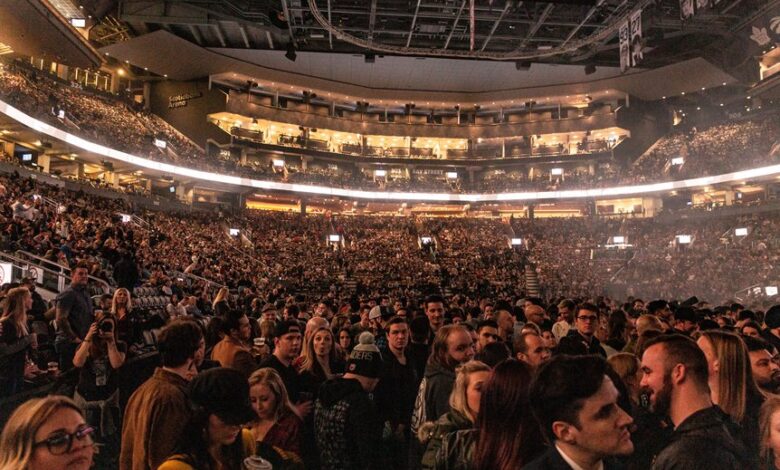
The Rod Stewart Brazil 1994 tour drew an unprecedented audience, with estimates around 3.5 million across cities and venues of varying scales. Logistics challenged organizers, demanding adaptable acoustics, staging, and scheduling. The performances reflected regional sensibilities in set design and pacing while preserving universal showmanship. The tour’s economic ripple—pricing, sponsorships, and tour models—altered Latin American live-music expectations. Its full impact remains debated, inviting closer scrutiny of how a summer in Brazil reshaped the scene for years to come.
What Made Rod Stewart Brazil 1994 Truly Unforgettable
The Brazil 1994 Rod Stewart concert stands out for its combination of scale, atmosphere, and cross-generational appeal, resulting in an event that resonated beyond a typical tour stop.
The performance blended romantic nostalgia with notable stadium spectacle, amplifying communal experience, fan engagement, and lasting cultural memory, while logistical coordination and broadcast reach extended impact beyond local audiences.
The Scale and Sound: 3.5 Million Fans Across Cities
Across Brazil in 1994, Rod Stewart drew an unprecedented scale of attendance, with estimates converging around 3.5 million concertgoers seated and standing across multiple cities.


The recorded reach reveals diverse urban footprints, not merely stadiums but open-air venues, challenging stadium logistics.
Ignorant enthusiasm met disciplined crowd management, while organizers balanced sound propagation, ingress, and safety considerations against remarkably broad regional appeal.
Stagecraft, Setlists, and South American Sensibilities
Stagecraft in the 1994 Brazilian leg leveraged regional acoustics and venue diversity to shape performance design, illustrating how lighting cues, on-stage choreography, and sound reinforcement were calibrated for open-air and arena contexts alike.
The analysis highlights stagecraft dynamics and setlist variety as adaptive responses to varied venues, audiences, and climate, reflecting South American sensibilities while maintaining universal showmanship standards.
Legacy: How the Tour Shaped Latin American Live Music Narratives
Building on the prior examination of stagecraft and setlists, the 1994 Rod Stewart Brazil leg is examined for its lasting imprint on Latin American live music narratives. The tour contributed to legacy storytelling by framing artist-audience exchange as participatory, while observers note shifts in concert economics, including pricing norms and sponsorship structures, influencing regional touring strategies and subsequent Brazilian and Latin American concert circuits.
Frequently Asked Questions
How Did Rod Stewart Impact Local Brazilian Venues Post-Tour?
Rod Stewart influenced Brazilian venues by boosting attendance and revenues; Brazilian venues expanded capacities and scheduling, while regional media highlighted safety and logistics. The effect varied, but overall momentum supported future touring and cultural exchange.
Were There Any Notable Safety or Crowd-Control Innovations?
There were notable safety or crowd-control innovations, including enhanced venue security protocols and real-time crowd dynamics monitoring, improving incident response. These measures reflected systematic risk assessments and evidence-based adjustments, aligning operations with broader industry standards while preserving audience autonomy and experience.
Which Brazilian Artists Cited Inspiration From the Tour?
Brazilian artists cited inspiration from the tour include Brazilian legends whose performances and global exposure fueled Influential collaborations, influencing contemporary stages and soundscapes. The evidence suggests diverse reception, with artists recognizing the tour as a transformative, context-aware benchmark for freedom-seeking audiences.
How Did Media Portray the 1994 Event Differently Regionally?
Spectral tides of media narratives showed regional framing diverge: Brazilian outlets emphasized spectacle and crowd size, while international press focused on logistics and legitimacy; music journalism differed, balancing sensationalism with concerted context, yet press coverage varied by locale.
What Lasting Economic Effects Did the Concerts Have in Cities?
The lasting economic effects were unequal, with Brazilian local implications varying by municipality. Concert economies expanded short-term spending, boosted tourism, and pressured local services, while long-term gains depended on infrastructure, planning, and subsequent events.
Conclusion
Rod Stewart’s Brazil 1994 tour stands as a benchmark in Latin American live music, evidencing how cross-continental stadium-scale pop shows can recalibrate regional economics and audience expectations. The tour’s logistics, acoustics, and adaptive staging demonstrated that large-venue rock can blend with local sensibilities to create enduring cultural footprints. In short, it proved that “the proof of the pudding is in the eating”—the immersive experience resonated beyond merchandise and numbers, shaping future Latin American concert narratives.